 September 24 2025, 08:15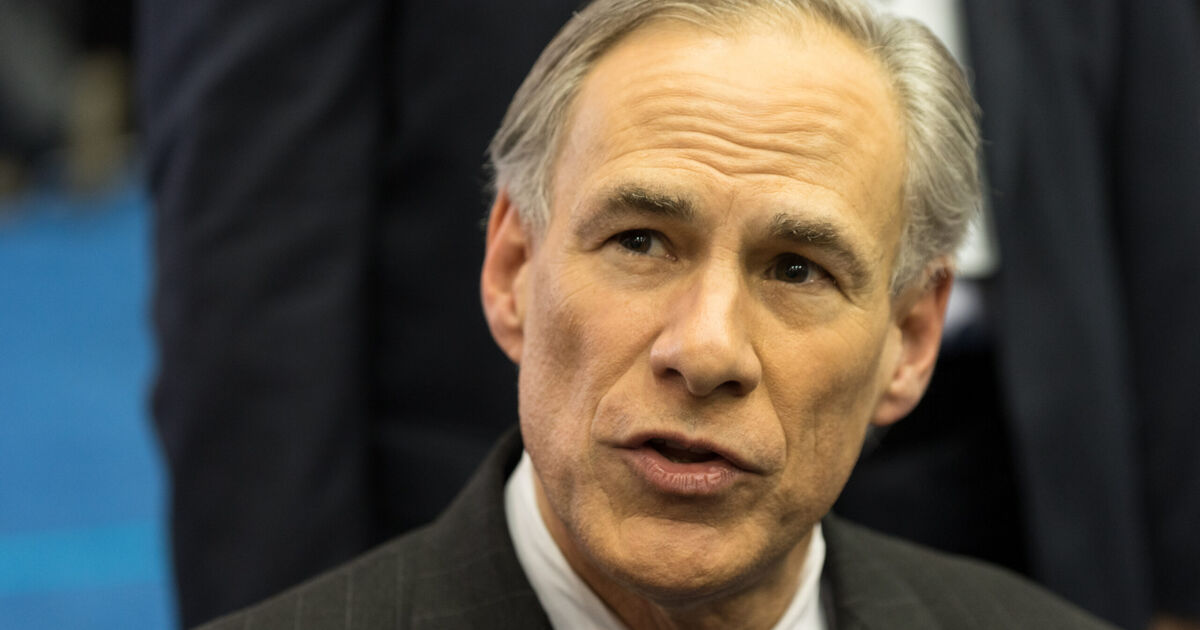
Texas Gov. Greg Abbott (R) just signed into law one of the most punitive and restrictive anti-trans bathroom bills in the nation.
On Monday, Abbott posted a video on X of himself signing the bill into law.
Related
Witness threatens violent sexual assault against trans women during Texas Senate hearing
“I’m about to sign a law that says no men in women’s restrooms,” he said in the clip, adding that “This is just common sense.”
I signed a law banning men in women’s restrooms.
— Greg Abbott (@GregAbbott_TX) September 22, 2025
It is a common sense public safety issue. pic.twitter.com/fDoHqu0EYd
Never Miss a Beat
Subscribe to our newsletter to stay ahead of the latest LGBTQ+ political news and insights.
Subscribe to our Newsletter today
Passed by the Texas House of Representatives in August, S.B. 8 requires government-owned buildings, public schools, and state-funded universities to ban transgender people from using facilities such as restrooms and locker rooms that do not align with their sex assigned at birth. It also requires transgender inmates to be housed in prisons and jails that align with their sex assigned at birth, and bans adult transgender women from women’s
A last-minute amendment from state Rep. Steve Toth (R) raised the law’s fines to $25,000 for an initial violation and $125,000 for subsequent violations, according to the Texas Tribune, making the law one of the most punitive in the U.S.
As the paper notes, those penalties apply to institutions, not individuals, and the law does not apply to privately owned businesses, which can still create their own trans inclusive bathroom policies. But that is unlikely to stop individual citizens from harassing trans women attempting to simply use public restrooms that align with their gender identity in Texas.
During a tense Texas Senate hearing about the bill in August, Jack Finger, a representative of the anti-LGBTQ+ San Antonio Family Association, said that he has been “tempted” to commit acts of violence, including genital mutilation, against trans women attempting to use women’s restrooms and locker rooms. While proponents of anti-trans bathroom bans claim they are meant to protect cisgender women from sexual predators, Finger’s comment, which he later claimed had been “misunderstood,” dovetails with research that has shown that transgender people are four times more likely than cisgender people to be the victims of violent crime.
Critics of the law, which takes effect on December 4, say that, like all anti-trans bathroom bans, S.B. 8 is unnecessary, as there is little evidence of trans women committing acts of violence in sex-segregated spaces. Far from doing anything to protect cisgender women, it will inevitably lead not only to harassment of trans women but also of cis women who do not conform to rigid standards of femininity.
The law is also vague on how its restrictions should be enforced, stating only that state agencies must take “every reasonable step” to ensure that trans people do not access facilities that do not align with their sex assigned at birth. As the Texas Tribune notes, during an August committee hearing, Texas state Rep. Angelia Orr (R) suggested that the law should be enforced based on how people look.
“By signing S.B. 8, Governor Abbott has cemented one of the most intrusive and discriminatory policies in Texas law,” Rocío Fierro-Pérez, political director of the Texas Freedom Network, said in a statement Monday, according to Axios. “This bill fuels stigma, harassment, and humiliation for transgender Texans, especially children, who are simply trying to go about their daily lives.”
In a separate statement, Transgender Education Network of Texas executive director Emmett Schelling said he was “devastated” to see the “atrocious” legislation pass.
“They can try as hard as they want, nobody will ever shatter the trans community or take away our deep and innate understanding of who we genuinely are,” Schelling said, according to Axios.
Subscribe to the LGBTQ Nation newsletter and be the first to know about the latest headlines shaping LGBTQ+ communities worldwide.