 September 13 2025, 08:15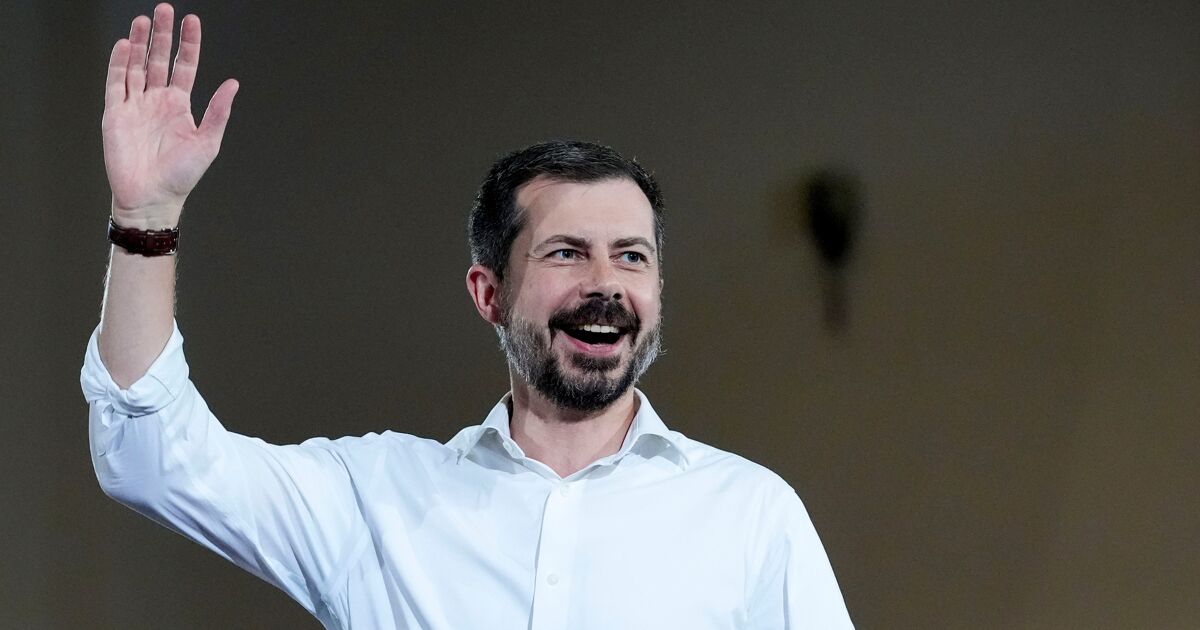
Out former Transportation Secretary Pete Buttigieg discussed why young men feel alienated by the political left and how he tries to foster conversations that may change the minds of those who politically disagree with him.
“You have a lot of younger men who viewed the things that have changed [over the last five years] as going so far that they no longer see where they would fit in a more progressive story,” Buttigieg said in a recent interview with GQ magazine as part of the magazine’s series on masculinity. “To me, that’s a tragedy because I think in many ways young men have a lot to lose, maybe the most to lose from some of the mistakes that are happening right now in our politics and in our government.”
Related
Tucker Carlson wants to ask Pete Buttigieg “very specific questions about gay sex”
He also worried that men feel alienated from the political left-wing, in part, because the left has developed a culture that is “increasingly scolding and finger-wagging” and (in a post #MeToo context) often only discusses masculinity in terms of being “toxic” rather than providing alternatives of positive masculinity.
“Nobody wants to feel like they’ve got to look over their shoulder all the time. I grew up in a time when as a man, you were looking over your shoulder to make sure that you were being masculine enough. And of course, that’s 10 times more if you happen to be gay. Then you go one turning of the wheel or one generation forward, and I think a lot of young men felt like they were looking over their shoulder for fear of being censured for somehow being toxic or being too masculine or doing or saying something wrong. This is part of what happened with cancel culture.”
Never Miss a Beat
Subscribe to our newsletter to stay ahead of the latest LGBTQ+ political news and insights.
Subscribe to our Newsletter today
While Buttigieg said he has felt pressure to be masculine on the political stage, in the military, and growing up in Indiana, he has had to question what actually feels true to his own sense of self. He considers honesty, decency, loyalty, and protection of loved ones to be aspects of his own masculinity, but also said that one quality in his closest male relationships is “emotional transparency about what you’re going through and what’s tough, what hurts, where you need help, when you need somebody to be there for you.”
He wants to encourage the next generation of men to build skills and character that help them lead and relate to others in a way that isn’t about their own ego. He worries that these qualities may seem even harder to develop in a technological age where people feel increasingly isolated from others, where online discourse deals mostly in negative insecurity, and where AI threatens to displace men’s economic workforce security.
“The key is for people to understand that positive change is not at your expense,” he said. “I have a very personal version of this that I’ve lived out, obviously, which is marriage equality, right? No straight married couple is worse off because we’ve had marriage equality for the last 10 years. It’s only made the institution of marriage stronger. When we get this right, this is not at anybody’s expense. But it can feel that way, and my side bears some of the blame for making it feel that way.”
“Because, again, if we can’t separate the word masculinity from the word toxic, or if we make it seem like anybody who’s got any discomfort around changes in society, gender roles, you name it, must be some kind of dinosaur or retrograde a**hole — if that’s the message we’re putting out, then of course people are going to feel like it’s hostile to them versus feel like they’re being recruited into that new future,” he added.
He then said he feels encouraged by his perception that young men seem to more openly discuss their engagement with mental health support than they did five or 10 years ago.
He also said that when going onto Fox News or other conservative venues to have challenging discussions with people who may politically disagree with him, he tries to imagine that he’s “talking to guys I grew up with or knew in Indiana, who I really disagree with on politics and also really like.
“I want to make sure, precisely because I have a lot of respect for them, that they hear an argument for why they could think differently,” he told me. “I actually think it’s important not to overthink it too much. In those contexts. I interact the way I would with anybody: Say what you believe, be straightforward, be strong on what you believe, but don’t be a d**k about it. I think sometimes going to these perceived high-stakes media scenarios, people lose some of the intuitions that serve us well just going about everyday life, because you feel like you got to be super performative.”
Lastly, he also expressed appreciation for his husband, Chasten, as a partner: They both look out for and take care of one another, being supportive with emotions and housework.
But as for whether Chasten and the kids like Pete Buttigieg’s recent beard, Buttigieg said, “It’s a bit of a house divided here. Chasten is strongly pro-beard, but our daughter asks me to shave it off every couple of nights because she says it’s scratchy when I’m kissing her goodnight. Our son hasn’t weighed in yet, so maybe he’s going to be the swing vote. But, at least for now, I think it’s here to stay.”
Subscribe to the LGBTQ Nation newsletter and be the first to know about the latest headlines shaping LGBTQ+ communities worldwide.