 August 30 2025, 08:15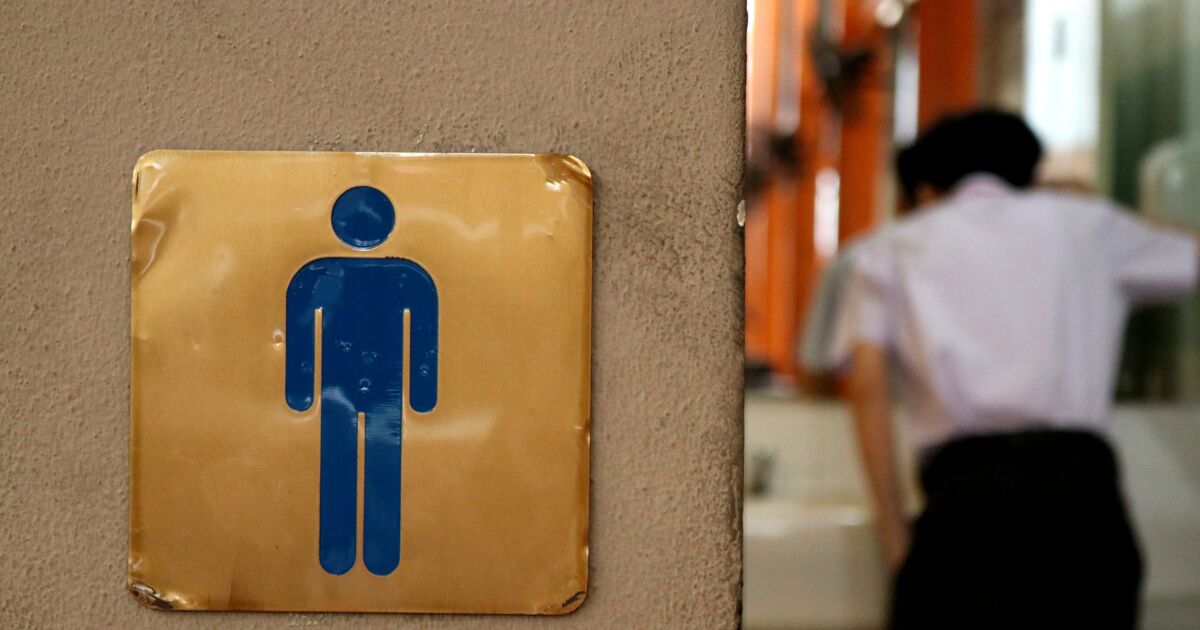
South Carolina has asked the U.S. Supreme Court to reject one transgender student’s ability to use the boys’ bathroom while a challenge to the state’s anti-trans bathroom law makes its way through the courts.
“South Carolina wants the Supreme Court to take the extraordinary remedy of intervening in an ongoing lower court appeal – all because the state wants to stop one ninth grader from using boys’ restrooms while that appeal proceeds,” said Alexandra Brodsky, litigation director for Public Justice’s Students’ Civil Rights Project, in a statement. “This case does not present the sort of emergency that would justify such intervention.”
Related
Gavin Grimm settles years-long legal battle with school for $1.3 million in attorney fees
In summer 2024, South Carolina enacted an anti-trans bathroom ban as part of a broader wave of transphobic legislation advancing across the country, despite the Fourth Circuit Court’s 2020 holding in Grimm v. Gloucester County School Board that trans students are entitled to use restrooms aligned with their gender identity.
The law’s impact was immediately harmful to trans youth in the state. A 13-year-old boy in Berkeley County was suspended for using the boys’ restroom. When he returned, school staff were instructed to police his bathroom use, and teachers began dividing students into “boys” and “girls” lines before restroom breaks to enforce the policy.
Never Miss a Beat
Subscribe to our newsletter to stay ahead of the latest LGBTQ+ political news and insights.
Subscribe to our Newsletter today
Even though none of his peers objected to his use of the boys’ restroom, teachers repeatedly yelled at him and blocked him from using the boy’s bathroom altogether. The constant harassment — and threat of potential expulsion if he continued to use the boy’s bathroom — forced his parents to withdraw him from the school and enroll him in an online program.
In November 2024, the boy, along with his family and the Alliance for Full Acceptance, an LGBTQ+ advocacy group, filed a class action challenging the state’s bathroom ban. On August 12, the Fourth Circuit issued an injunction in the boy’s favor, preventing the state, the school district, and other defendants from enforcing the law against him while the appeal proceeded through the court system.
“[T]here’s zero evidence that [the transgender boy’s] use of boys’ restrooms presents even a remote possibility of harm to anyone. But the evidence of state hostility toward him overwhelms,” the Chief Judge of the Fourth Circuit wrote in the court’s recent order.
Although the Supreme Court has declined to consider the constitutionality of anti-trans bathroom bans so far, South Carolina argued in its emergency relief application that the Fourth Circuit should have considered the Supreme Court’s recent decision in United States v. Skrmetti — which upheld Tennessee’s restrictions on gender-affirming care for trans youth — as controlling precedent, rather than relying on the Fourth Circuit’s earlier decision in Grimm.
The boy’s attorneys have emphasized that it is highly unusual for a state to appeal a temporary injunction affecting a single student.
“South Carolina is rushing to the Supreme Court to get a permission slip to subject him to state-mandated discrimination at school, including the school discipline that drove him out of middle school last year,” Brodsky said. “The Supreme Court should deny South Carolina’s unusual request.”
Raquel Willis, founder of the advocacy organization Gender Liberation Movement, has said that bathroom bills wrongly vilify trans people as a threat to people’s safety and privacy when, in reality, trans people are “disproportionately impacted” by violence in public spaces.
Subscribe to the LGBTQ Nation newsletter and be the first to know about the latest headlines shaping LGBTQ+ communities worldwide.